World Energy Council Chile: Kids in Energy
07.08.26 - 07.08.2026
Chile
 Latin America
Member Events
Latin America
Member Events
Partnership between World Energy Council Chile, Redinter, and UAI brought the Kids in Energy program to Arica and Pozo Almonte
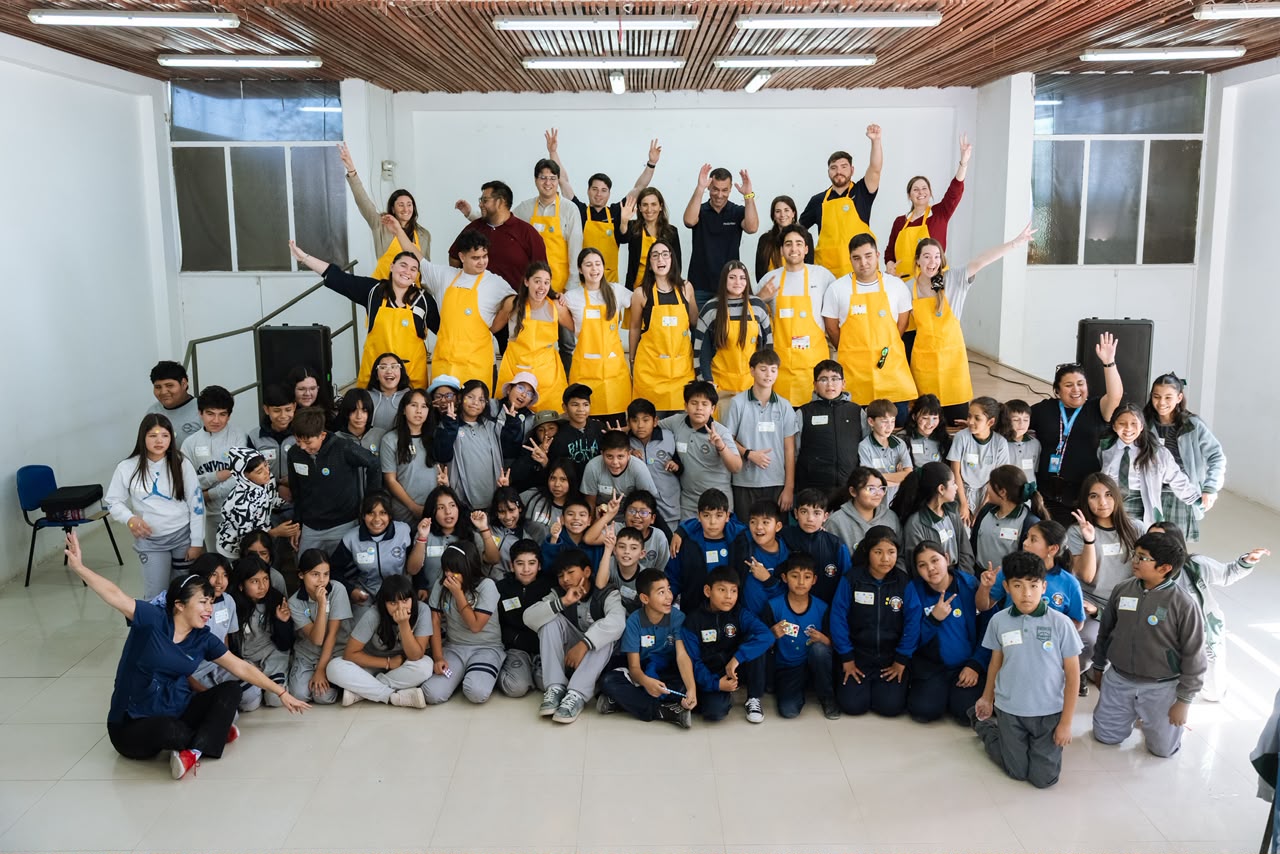
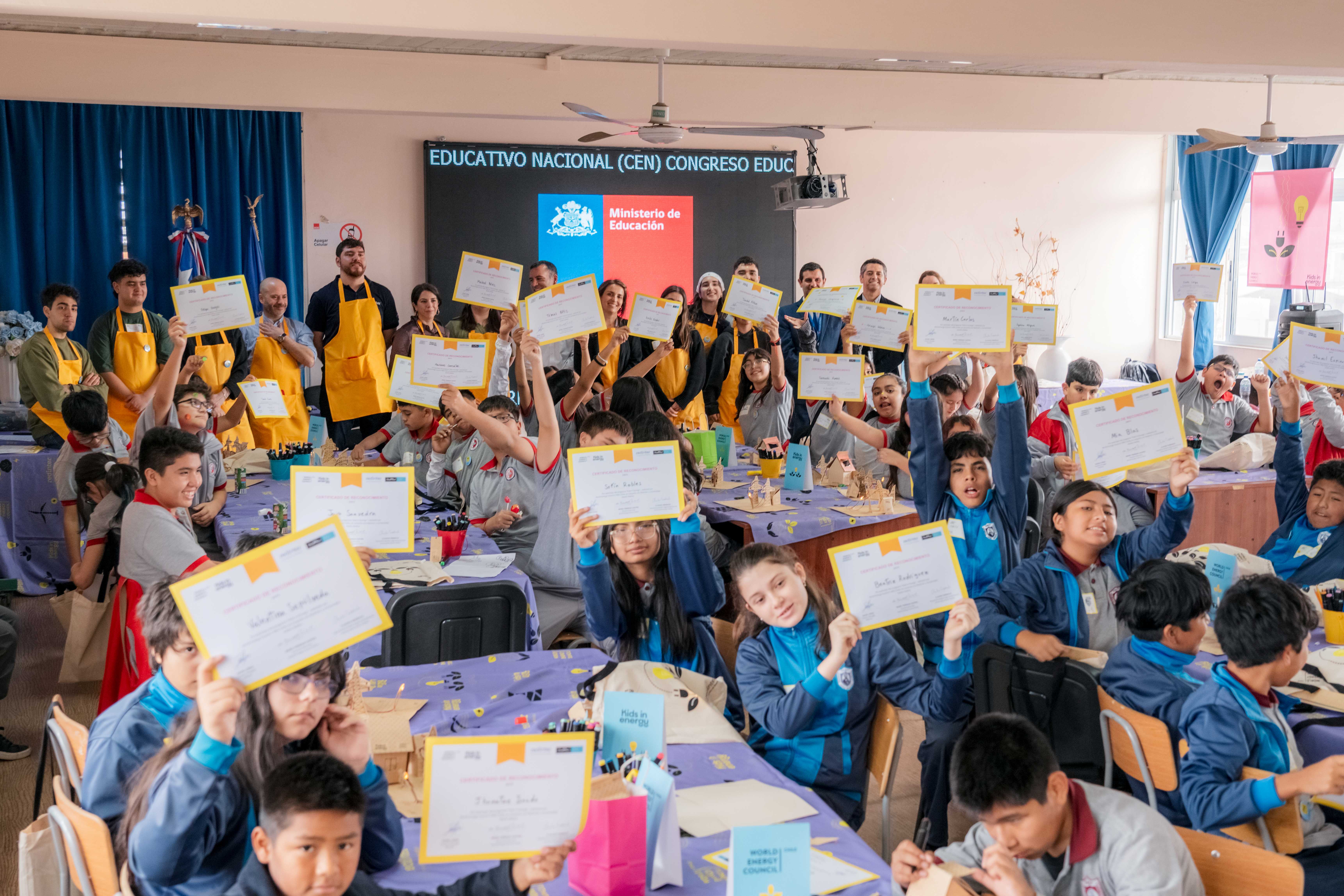
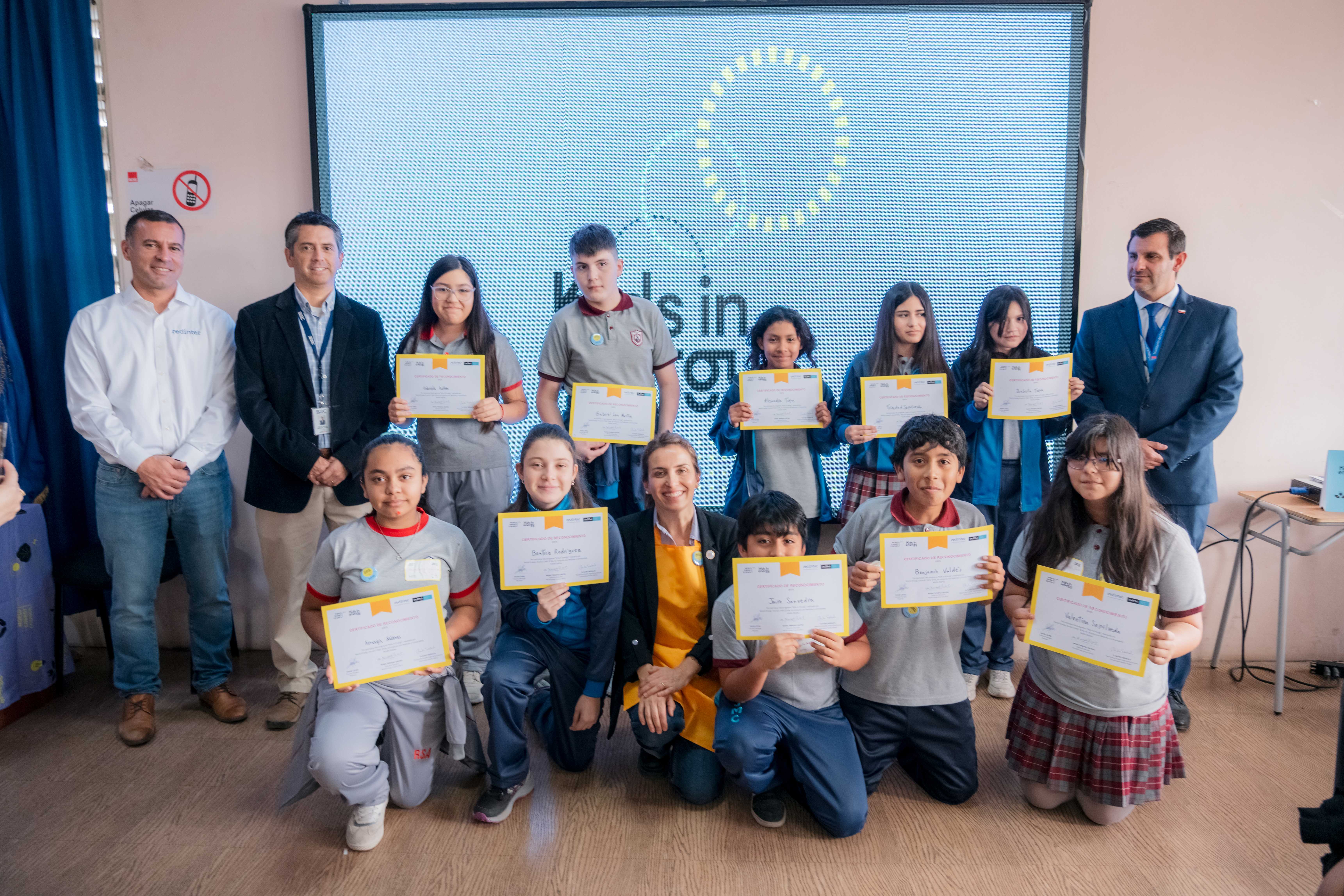
180 basic education students from different schools participated in energy literacy sessions that brought the key concepts of the sector and STEM disciplines closer to the new generations, strengthening their understanding of the role of energy in the sustainable development of the country.
Santiago, August 7, 2026.– Between August 4 and 6, 180 5th and 6th grade students from schools in Arica and Pozo Almonte were part of a new version of Kids in Energy, the World Energy Council (WEC) Chile program that seeks to promote energy literacy from an early age. The initiative had the support of Redinter and the backing of the Adolfo Ibáñez University (UAI), and aims to bring girls and boys closer to STEM disciplines (science, technology, engineering, and mathematics), key to the development of the energy sector of the future.
Over the course of three days – two in Pozo Almonte and one in Arica – the students worked with educational kits specially designed to explain concepts such as solar energy, wind energy, green hydrogen, energy efficiency, and the energy transition. With interactive workshops and a methodology based on experimentation and collaborative work, the children discovered how energy is present in their daily lives and what role it will play in the future of their own communities.
The fact that the WEC Chile program reaches the regions of Tarapacá, Arica, and Parinacota is no coincidence: the north of Chile is experiencing a moment of strong energy development and has enormous potential to lead the generation of renewables in the country. Awakening interest in STEM disciplines from an early age is part of the work of training the human capital that the energy transition will need in the coming years.
In this regard, the Seremi of Energy of Tarapacá, Juan Ignacio Boudon, said: "We believe that the energy transition is also built in the classrooms. That is why we value initiatives such as Kids in Energy, which allow children and young people from Tarapacá to know, experiment, and approach the world of energy and innovation in a practical way. Many of them could become the next professionals and technicians to lead the energy development of our region and the country. Awakening this interest from an early age strengthens the training of talents and contributes to future generations having the necessary tools to face the challenges of an increasingly sustainable energy system."
Meanwhile, the Seremi of Energy of Arica and Parinacota, Carlos Ferrada Cabrera, thanked the organizers for considering his region to develop this initiative. "This valuable learning instance is aligned with our Energy Route to decarbonization, where early education and the training of qualified human capital are fundamental pillars to promote clean energy," he said.
This is the second time that Redinter supports the execution of Kids in Energy in the north of the country. Last year, it brought together 200 students from Pozo Almonte and Iquique, consolidating an alliance that seeks to bring energy literacy experiences to communities where energy plays a strategic role in the development of the territory. Today, Redinter operates and manages 1,773 kilometers of electricity transmission lines in northern Chile, a critical infrastructure for the national electricity system.
"Energy literacy at an early age is a transformative tool. We are not just teaching theory; We are preparing and empowering children in the area to lead and understand the impact of their environment's energy future. The objective behind 'Kids in Energy' is that new generations can promote the sustainable development of their own regions in the future," said David López, Country Manager of Redinter in Chile.
For her part, the executive director of World Energy Council Chile, Trinidad Castro, pointed out that "the energy transition is not built only with infrastructure or new technologies. At WEC Chile we promote Kids in Energy because we believe that humanizing energy means making it close, understandable, and accessible to everyone and, of course, to children at an early age. We seek to awaken curiosity, encourage critical thinking, and demonstrate that energy can also be a gateway for more children to become protagonists of the country's sustainable development."
This edition of WEC Chile's Kids in Energy also had the financial support of Redeia's Comprehensive Impact Strategy, with which the group promotes projects of social and environmental value in the countries where it operates: Spain, Brazil, Chile, and Peru. In this way, proposals are promoted that contribute to the social and environmental challenges of the territories in which its facilities are located.
Kids in Energy has been consolidating itself as a strategic alliance between the private world, academia, and the public sector. With the international experience of WEC Chile, the pedagogical support of the Adolfo Ibáñez University, and on this occasion, the technical support of Redinter, together with the collaboration of the municipalities of Arica and Pozo Almonte, the initiative seeks to ensure that the tools of tomorrow's education reach schools today in the communities where the energy sector is key to the development of the territory.